
If You’ve Been Told “You Shouldn’t Be Comfortable”
If you’ve spent time around meditation, there’s a good chance you’ve heard some version of this: “If you’re comfortable, you’re doing it wrong.” It tends to carry a kind of authority, like it’s pointing to something ancient and true. And it’s easy to internalize—especially if you’re trying to take the practice seriously.
But it’s worth pausing on that idea. Because for a lot of people, it quietly turns meditation into something to endure rather than something to understand. And that shift matters.
The original intent of meditation wasn’t to make you uncomfortable—it was to help you see clearly what’s happening in your mind and body. If discomfort shows up, it can be part of that. But that’s very different from believing discomfort is required.
Where That Message Comes From (and What It Missed)
There are roots to this idea. Earlier ascetic traditions treated physical discomfort as a path—something that could build discipline and reduce attachment. But when Gautama Buddha encountered those approaches, he moved away from them, pointing instead to the Middle Way—not indulgence, but not self-punishment either.
A More Useful Frame: Clarity Over Endurance
A more helpful way to approach this might be: pain isn’t the goal—clarity is. Discomfort can still be part of the experience, and when it is, it can reveal useful things—how quickly the mind resists, how sensation changes, and how suffering often comes from the reaction rather than the sensation itself.
But none of that requires you to seek out pain or ignore your body. In fact, unnecessary strain can pull attention away from the very awareness you’re trying to develop. So instead of asking, “Am I sitting through enough discomfort?” a better question might be, “Can I stay present with what’s here without adding tension on top of it?” That leaves room for both comfort and discomfort to be part of the practice—without turning either one into a rule.
 |
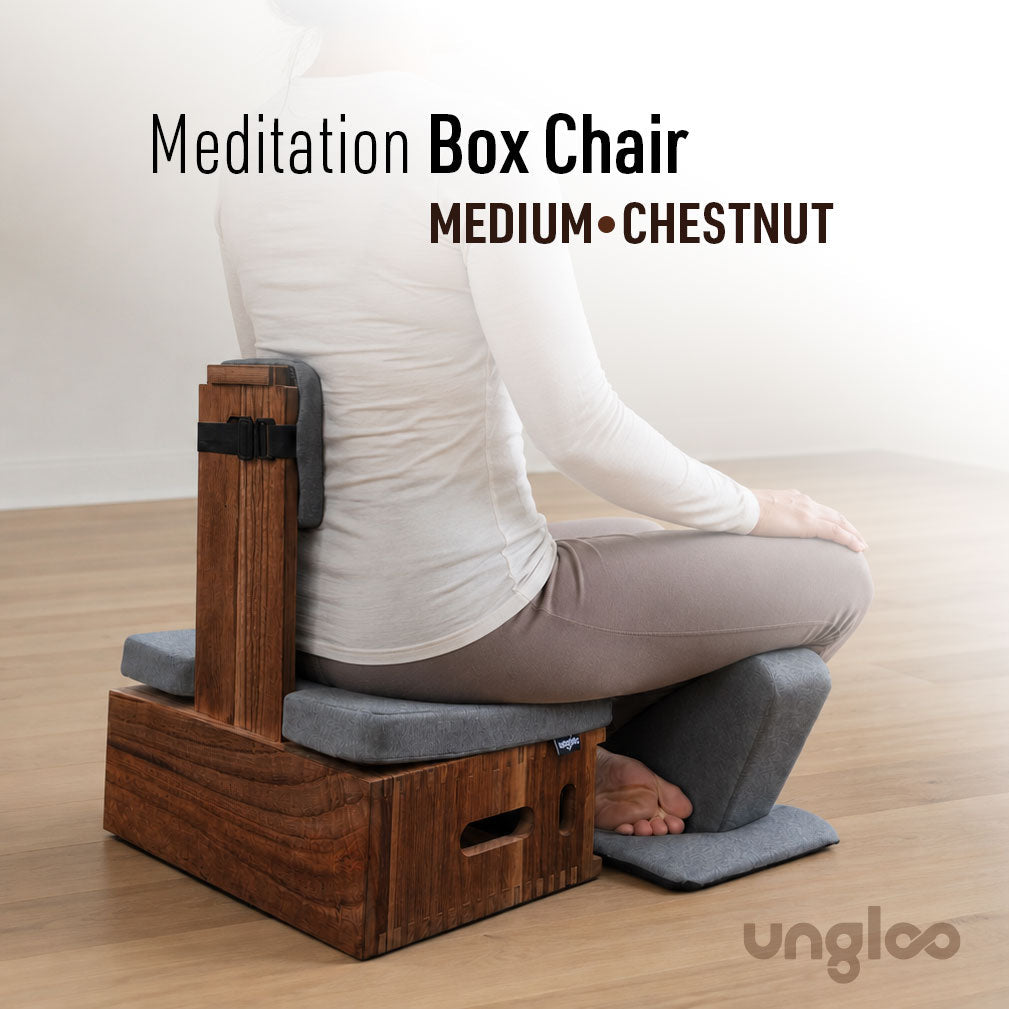
Even small adjustments—like posture or using a meditation chair —can shift the experience from endurance of pain to awareness. But there’s no one right setup—you can practice anywhere, in whatever way allows you to stay present. |
So, are you supposed to embrace pain to transcend it? Not exactly. You don’t need to seek it out or rely on it. But when pain does arise, learning to meet it without resistance can reveal the kind of clarity people often associate with “transcendence.”